ElenaG: A 45-Year Creative Journey.
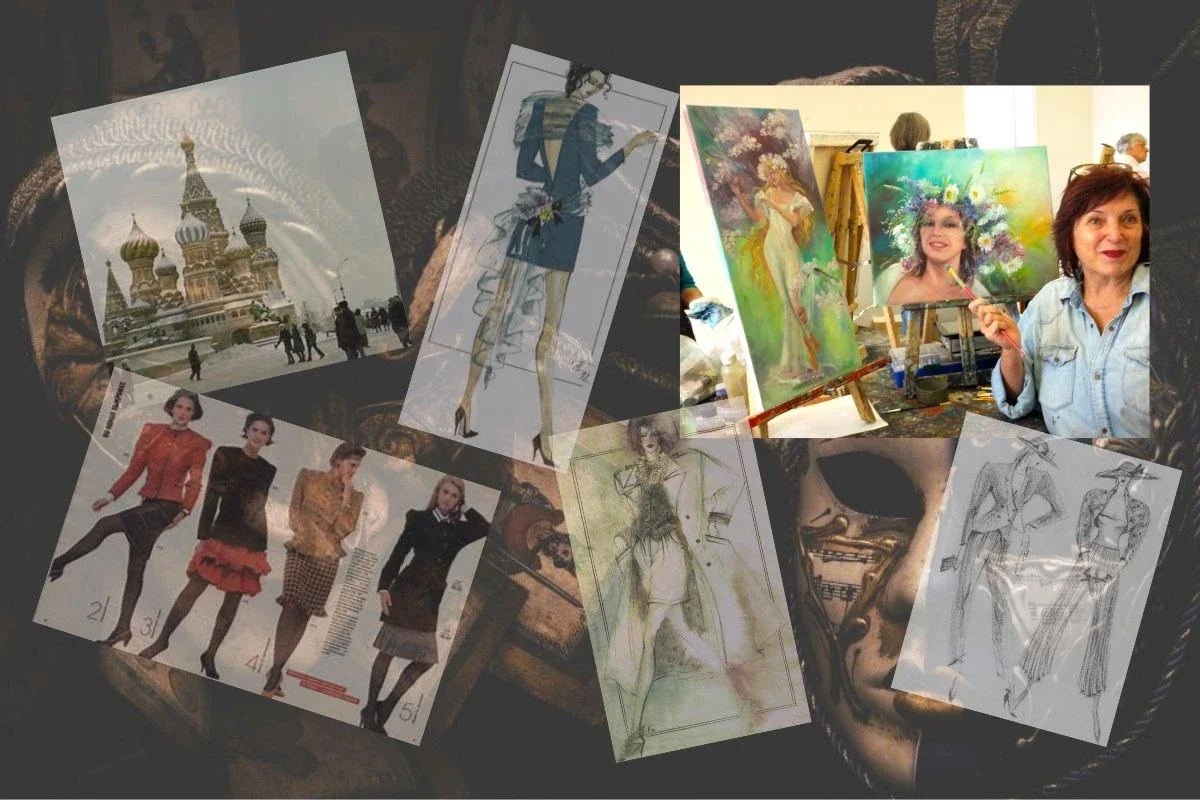
Creative way of ElenaG from Soviet fashion to Impressionist painting in Canada.
Introduction: From Soviet Fashion to Impressionist Painting in Canada.
The story of ElenaG is not just a biography—it's more like a long-running series with comedy, drama, and a touch of surrealism. Over 45 years, she has journeyed from a graduate of the Moscow Academy of Textile Design to an impressionist artist in Canada.
If that sounds like a smooth career transition, think again. It’s more like a rollercoaster—one that starts in the Soviet Union and somehow ends with oil paints and canvas on the other side of the world.
Soviet Fashion: Creativity Under “Unique Conditions.”
Working as a fashion designer in the USSR was a special kind of challenge—somewhere between art and survival.
The main task? Create “high fashion” using any fabric that is gathering dust in storage.
Assignments sounded mysterious and slightly intimidating:
“You will work with fabrics of the first category.”
What did that mean? Nobody really knew. But it sounded official enough to discourage questions. Meanwhile, your colleague got the “second category.” Clearly, a different destiny.
Then came the deadline: one month.
After that, a runway show with real models, a stern artistic council, and the fate of your designs hanging in the balance. Would your creation be approved for production… or quietly disappear back into the warehouse abyss?
Ironically, these constraints built one crucial skill:
the ability to generate creative ideas fast.
Imagination must work overtime when options are limited.
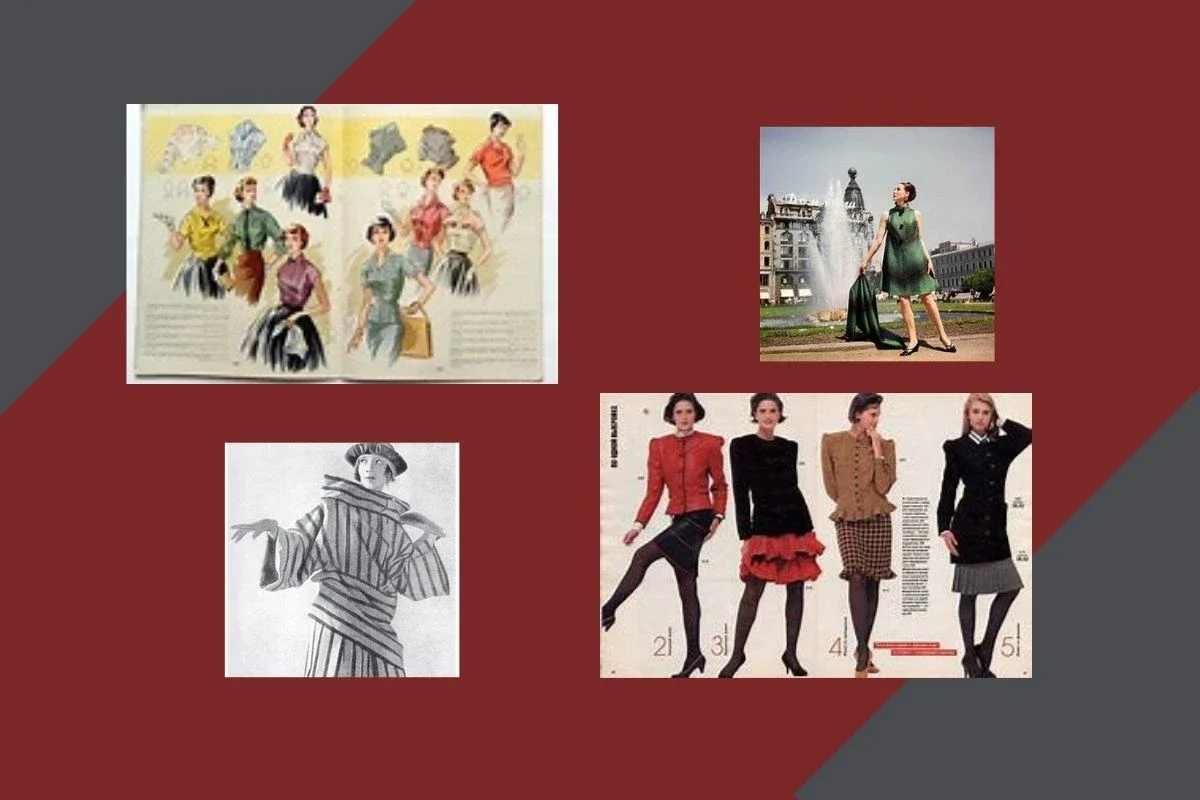
Working as a fashion designer in the USSR was a special kind of challenge—somewhere between art and survival.
The Canadian Chapter: From Fabric to Interiors.
Moving to Canada wasn’t just a change of location — it was a complete professional transformation. Elena reinvented herself as an interior decorator.
And suddenly, her Soviet experience became surprisingly valuable.
Now the challenge wasn’t scarcity — it was abundance.
And instead of mass production, the focus shifted to individual design solutions.
Her work involved:
- selecting textiles tailored to each space
- balancing colours, shapes, and textures
- creating mood, not just decoration
And most importantly, harmony.
Elena’s designs never screamed for attention.
They didn’t say, “Look at these curtains!”
Instead, they quietly brought the entire interior into balance.
The result?
Some clients were moved to tears.
Yes, actual tears. Hugs, gratitude, and the most powerful marketing tool of all, word of mouth, followed.
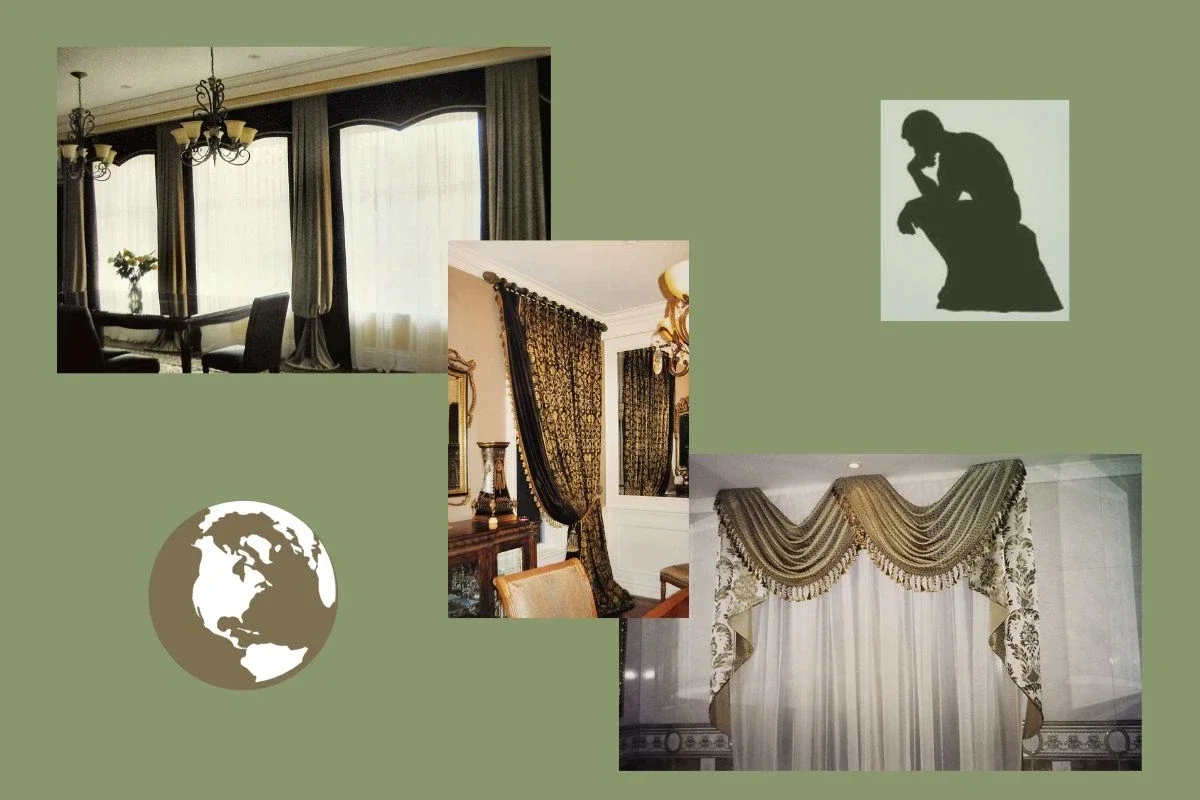
Instead of mass production, the focus shifted to individual design solutions. And most importantly, harmony.
The Turning Point: When the Soul Demands More.
Years passed. Work was steady. Life moved forward.
Children grew up. Houses got bigger.
But somewhere inside, something was shifting.
Sketches and markers no longer felt like enough.
Ideas were demanding a different medium.
Brushes. Canvas. Oil paints.
Life, as it often does, added a “dark stripe” at just the right moment.
And somehow, that darkness pointed toward light—one more creative transformation.
One day, Elena found herself in front of a canvas.
The first brushstroke wasn’t just art, as in the common sense of an oil painting.
It was healing.
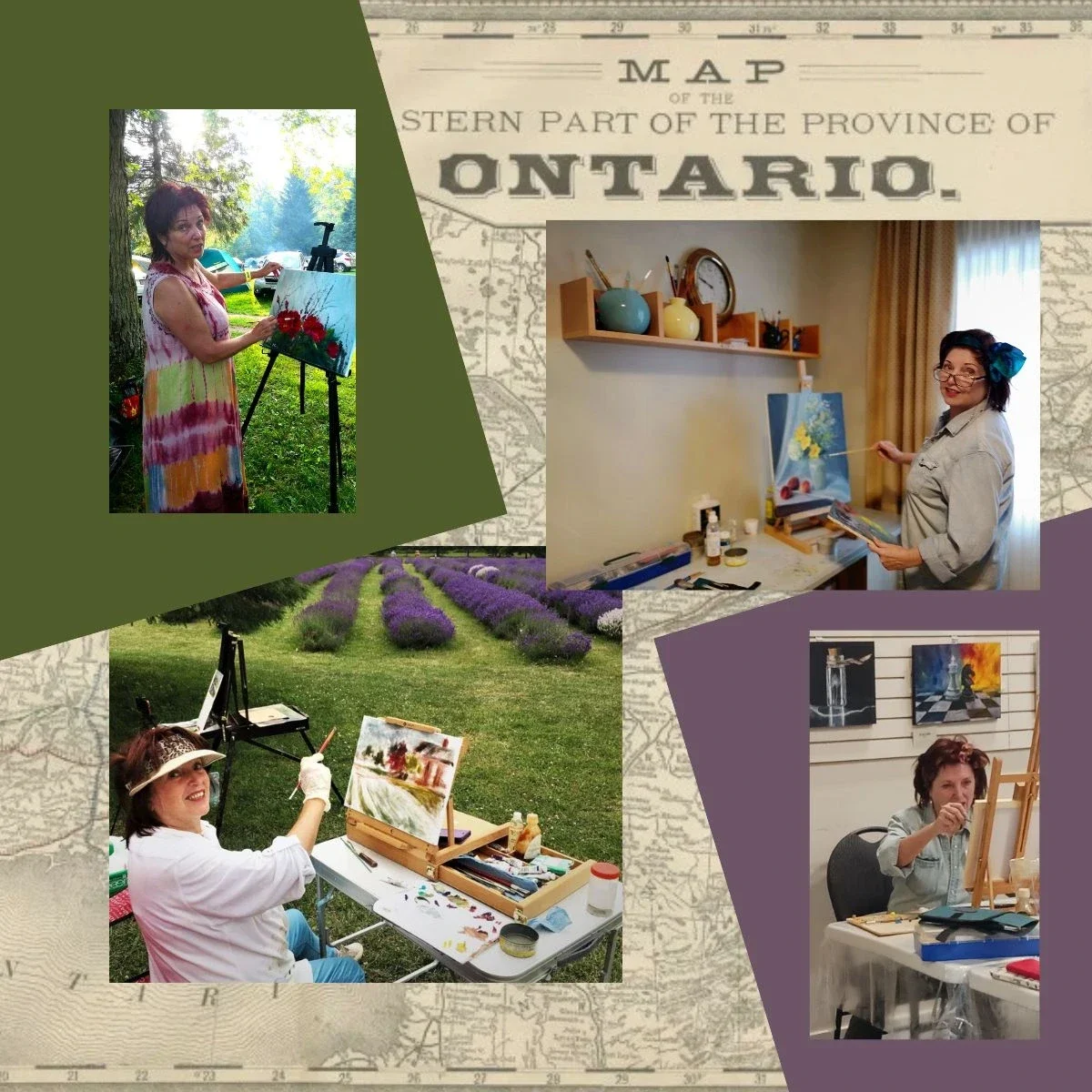
The first brushstroke wasn’t just art, as in the common sense of an oil painting. It was healing.
Impressionism and Finding a Voice.
With time, the oil painting technique improved.
Confidence followed.
And with confidence came boldness.
Elena began reinterpreting works of classical masters—not copying them, but reimagining them through a modern lens.
Through experimentation (and plenty of trial and error), her artistic direction became clearer.
One genre stood out above the rest: still life.
Why still life?
The reason for this is that ordinary objects instill a sense of uniqueness and depth.
A simple apple or a jug can hold light, shadow, mood—even time itself.
(Yes, it sounds philosophical. But take a closer look at a jug sometime—you might be surprised.
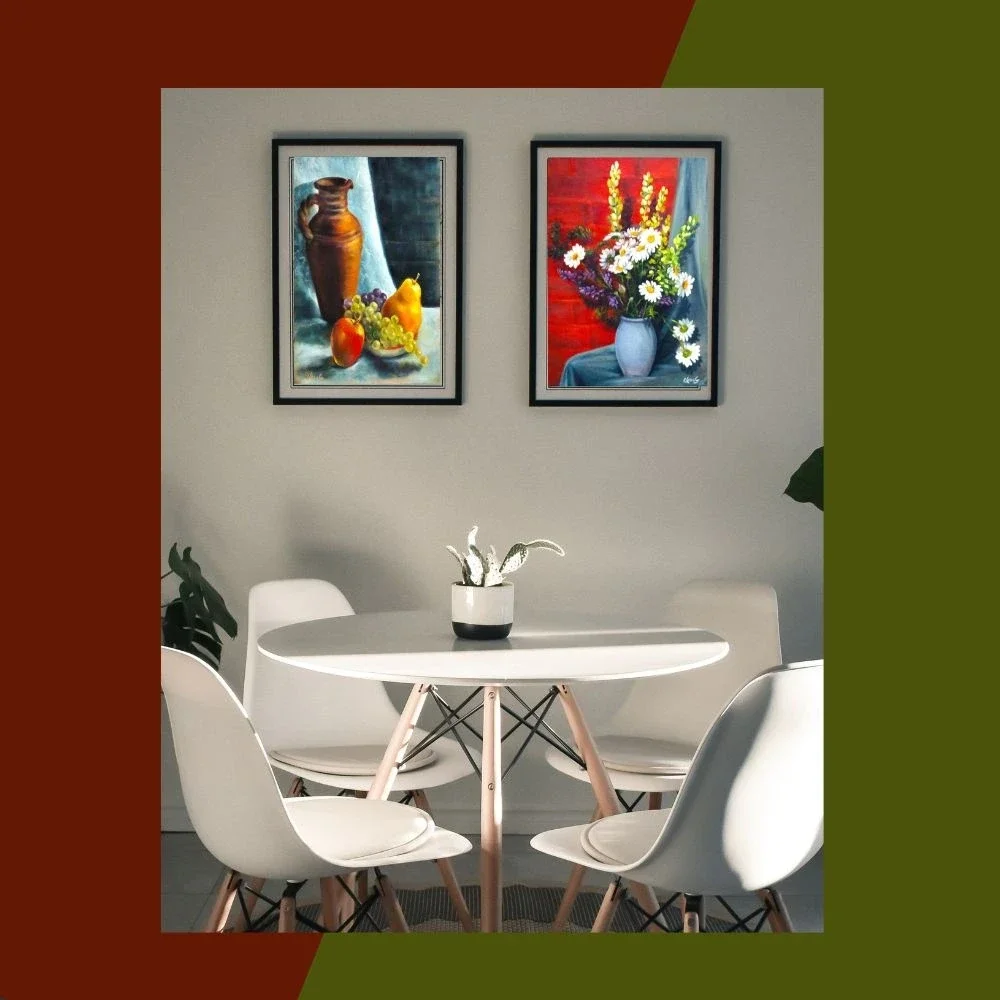
Look at those still lifes, and you might be surprised—they are not decorations; they transform a space.
First Milestones of the Journey.
At this stage, Elena's creative development and inspiration can be summed up as follows:
- from fabric to canvas
- from practicality to art
- from external work to internal expression
- from limitation to freedom
And perhaps most importantly, it shows how even the strangest experiences (hello again, “fabric categories”) can become the foundation for something far greater.
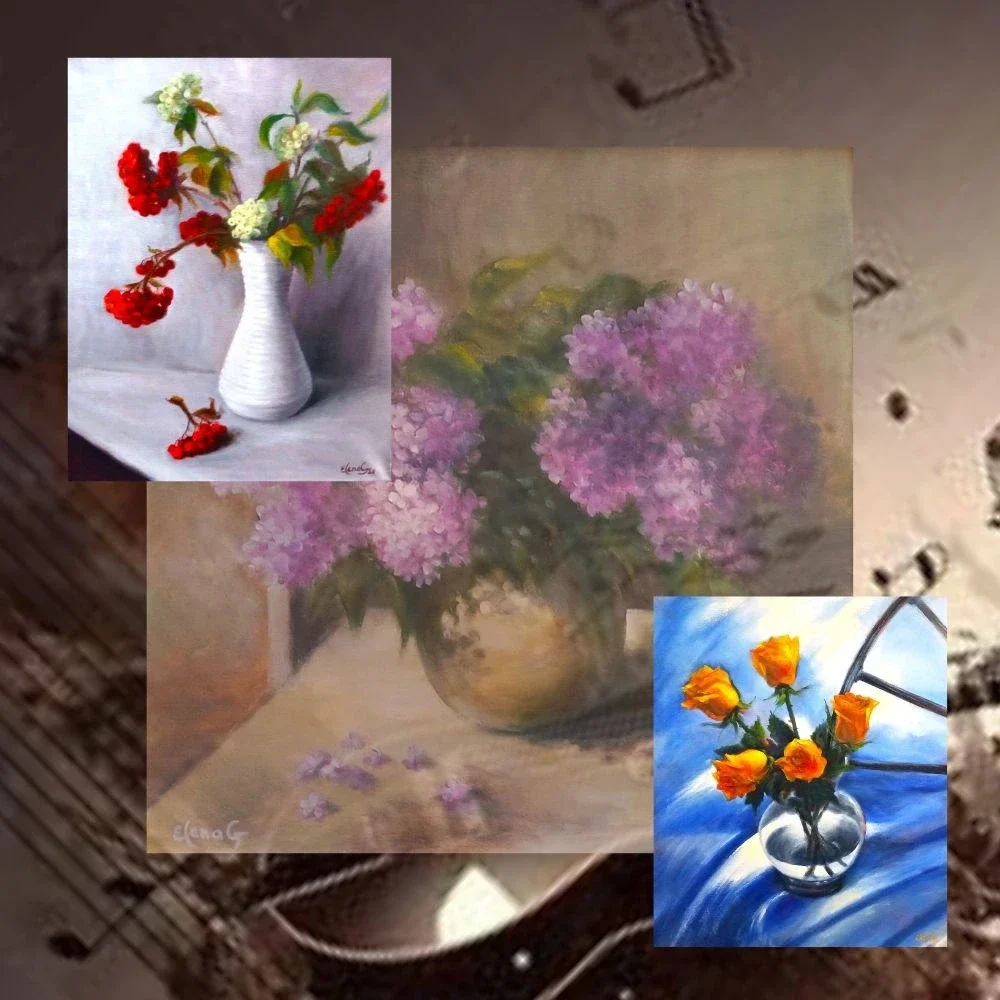
It sounds philosophical. But if you look closely at still life, you may be surprised by its profound meaning.
Conclusion: To Be Continued…
But this is only the beginning.
In the next article, we’ll explore:
- How Elena’s unique artistic style took shape
- which works became defining moments
- How her art connects with modern life
- And why sometimes you need to reinterpret the past to understand yourself
Stay tuned — the most exciting part is still ahead.
Those who want to take a look at paintings by ElenaG, follow
https://www.artbyelenag.com/portrait-gallery or
https://www.artbyelenag.com/still-life-gallery or
https://www.artbyelenag.com/figurative-gallery or
https://www.artbyelenag.com/landscape-gallery.
Nik, a blogger, art lover, and cultural storyteller.
Nik explores the crossroads of art, history, and human psychology.
His essays blend a research approach with cinematic storytelling, illuminating the minds of artists who shaped civilization—from Botticelli to Picasso.
Follow him for deep dives into creativity, culture, and the timeless dance between beauty and truth.
The creator of this blog is also the driving force behind its concept. After writing the text, the author used AI to make modifications. (ChatGPT). The images were created with Canva.
Add comment
Comments