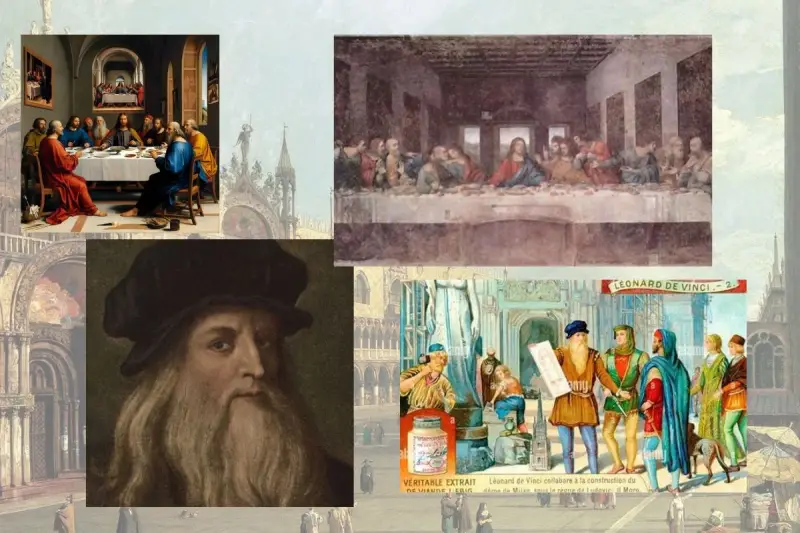
Conversation with Leonardo da Vinci in 1497: Reflections Amidst his Artwork, "The Last Supper."
Leonardo da Vinci was fully involved in his masterwork, The Last Supper, which Duke Ludovico Sforza had commissioned for Milan's Santa Maria delle Grazie monastery in 1497.
Consider sitting across from Leonardo while he thinks about his work, surrounded by brushes, paints, and drawings.
This exchange reveals the thoughts of a genius at the peak of his abilities.
Interviewer: Maestro Leonardo, we appreciate your time.
We understand The Last Supper takes up much of your time. What is your experience with the process?
Da Vinci: The Last Supper is my inspiration and agony.
The painting on this wall is unlike any other canvas. Frescoes need urgency, and I'm not a hasty guy.
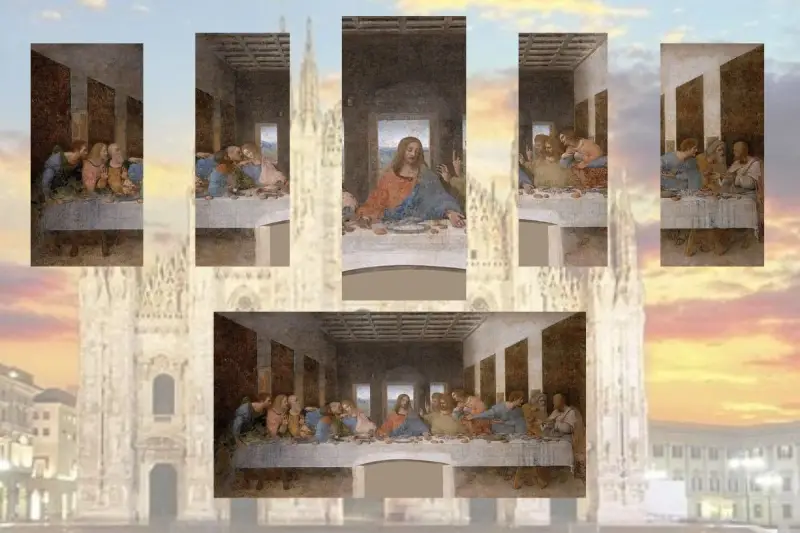
Painting a secco on dried plaster with layers of tempera and oil gives me time to develop each emotion and gesture.
I bring the apostles to life and capture a single, charged moment's tension and grace.
Interviewer: You're thorough, noticing even little things. How is that approach shown in this wall art?
Leonardo: Very careful. Some term it "fixation." But how else to create?
Each figure's soul is revealed in the simplest gestures: a hand reaching out, a tilted head, a look of astonishment, or betrayal.
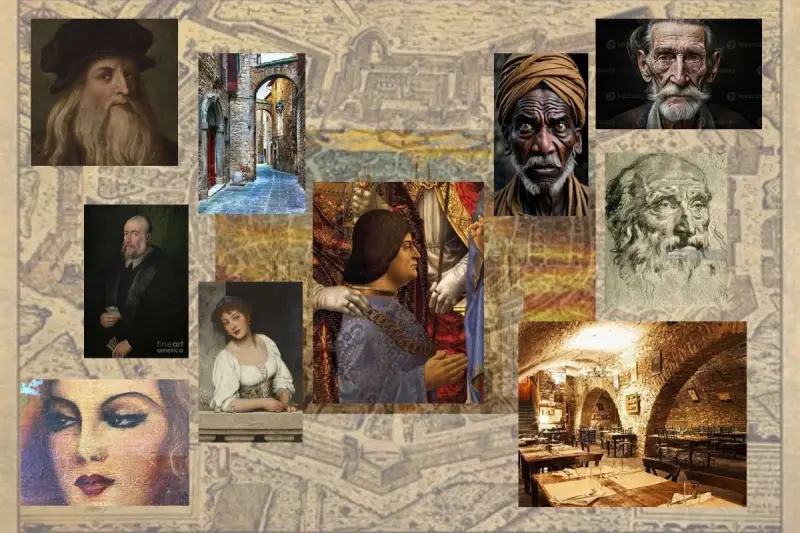
I watch people daily in Milan's bars, Duke's court, and streets.
I watch their features and postures, how a lie shapes their lips, and how a joyful idea opens their eyes.
I want The Last Supper to show each man's essence via his response to "One of you will betray me."
Interviewer: Sounds deeply philosophical. Does your attention to detail annoy others, as it does the Duke?
Leonardo: [smiling] The Duke. He's a loyal patron who wants this task finished.
He has sometimes pushed me to hurry, but even rushing a canvas painting destroys it.
When I spend weeks on one face, my dedicated trainees become bored and silently rebuke me.
Still, patience guides me. I tell them, "We seek centuries' admiration, not today's."
Interviewer: Discuss those around you. Do you use apprentices in your creative process?
Leonardo: My apprentices are my workers and observers. They accumulate colours, stretch canvases, and, most importantly, challenge me.
They frequently question and test my approaches and expertise, which I greatly appreciate.
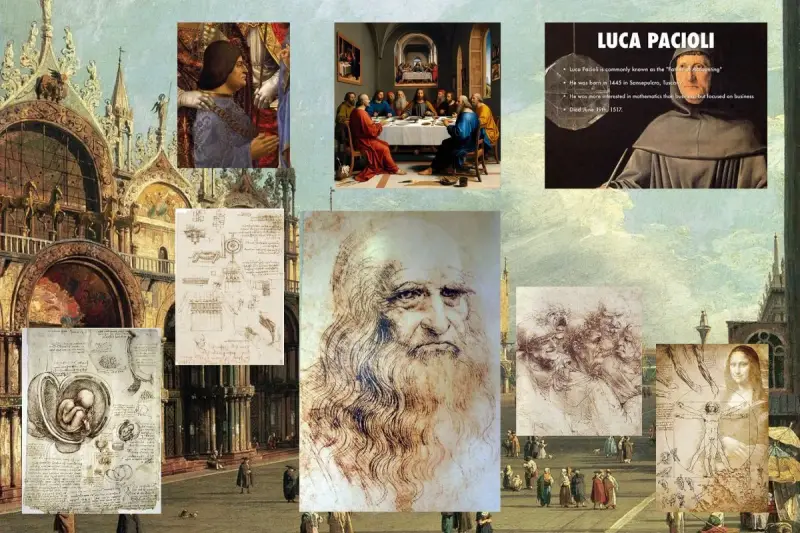
Mathematician Luca Pacioli is my buddy. His proportion ideas have also inspired my art.
We consider the divine arrangement of the universe. I want The Last Supper to convey heavenly geometry and exquisite harmony despite turmoil.
Interviewer: Milan must affect you. Can you describe city life?
Leonardo: Milan is vibrant, where elegance meets ambition. Winter dampens her bones, but spring changes her.
Ideas flourish like flowers. We debate science and fine art in courtyards or in Ludovico's palace, where he hosts magnificent feasts and welcomes professors, poets, and soldiers.
The city is filled with dangerous intrigue and alliances.
I steer clear of judicial cases. Politics is like a storm: navigate cautiously or get carried away.
Interviewer: People who know you worry about your health. How did you feel when producing The Last Supper?
Leonardo: My health changes with the seasons. I occasionally have tight wrists and shoulders from long hours and the convent's wet refectory.
I'm continuing to paint. I sometimes get a nighttime soreness, maybe a sign that I'm old. I don't mind.
Weightless, I fly above the ground in my fantasies.
My intellect allows me to rise above my pain and obligations, enabling me to observe the world. The dreams remind me that the body is a conduit for the soul.
Interviewer: Beautiful vision. Finally, do you worry about your work's reception?
Leonardo: Paintings attract acclaim and contempt. Some find The Last Supper excessively emotional and unorthodox.
Others may wonder why I picked Judas among the twelve, so near to Christ, or why Christ seems serene despite the chaos.
I paint for understanding, not acclaim. The world is a mirror, and I just brush it.
My years of labour will be worth it if my artwork makes a viewer stop, contemplate, and change.
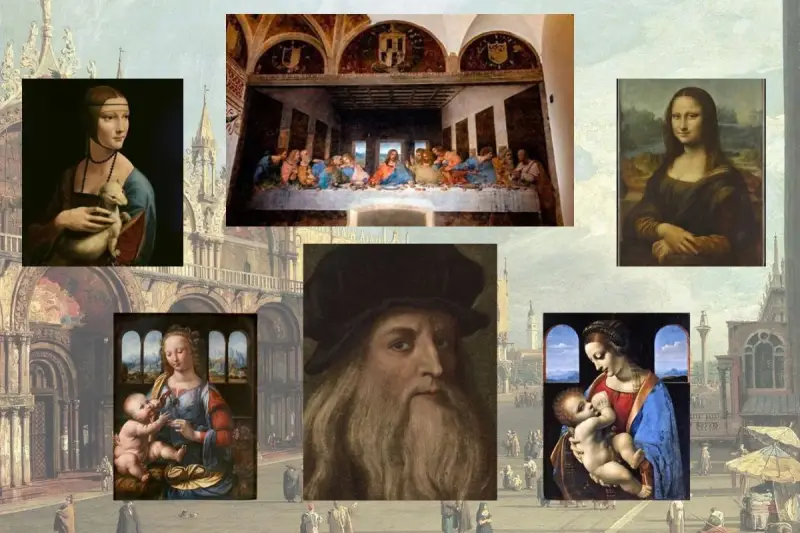
Interviewer: Maestro Leonardo, thanks. You show your skill and soul in your writing.
Leonardo: Thanks. Everyone is an artist. Some create with words, brushes, or silence.
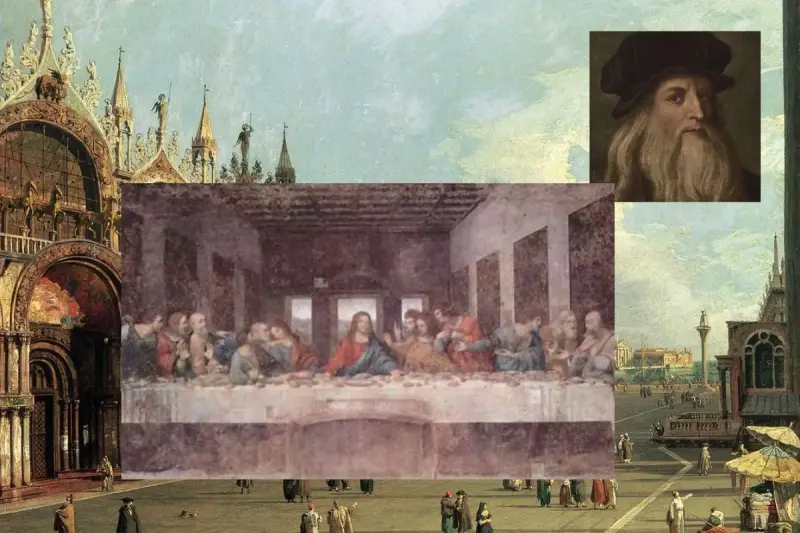
So, in the spring of 1498, Leonardo completed The Last Supper. Although his unique approach caused the painting to wear down over time, it's still one of history's most talked-about and admired works of art.
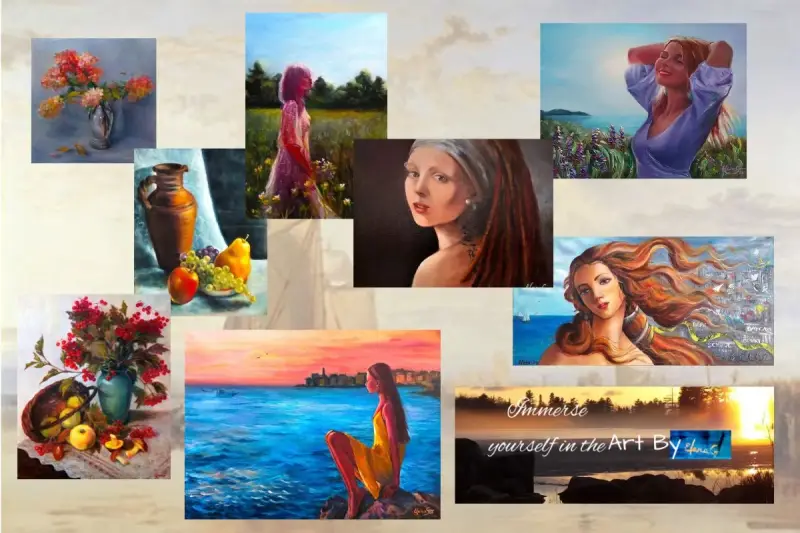
However, we may still see presentations of ideas intermingled with internal messages in modern art—messages that have moved people for generations. Everyone may read these messages in ElenaG's Artwork Gallery page on our website, artbyelenag.com.
I appreciate you reading this interview through to the end, my dear art lover. I can't wait to see you soon! We're looking forward to some fascinating interviews with Renaissance Old Masters shortly!
How about we add a bit of imagination to our lives?
Nik!
I conceived the blog article concept and edited it, and I utilized ChatGPT to compose the text.
Add comment
Comments